Invisible Fishing Line: Unobtrusive Tactics for Successful Fishing
Clear angler's line has become a essential instrument for countless fishermen attempting to improve their accomplishments on the water. Its capacity to blend with different conditions diminishes visibility, enabling for a rather authentic lure display. This understated benefit can significantly influence angling results. However, the choice and care of the proper line necessitate meticulous thought. Comprehending these details may be the solution to revolutionizing a angler's journey on the water. What considerations should be focused upon?
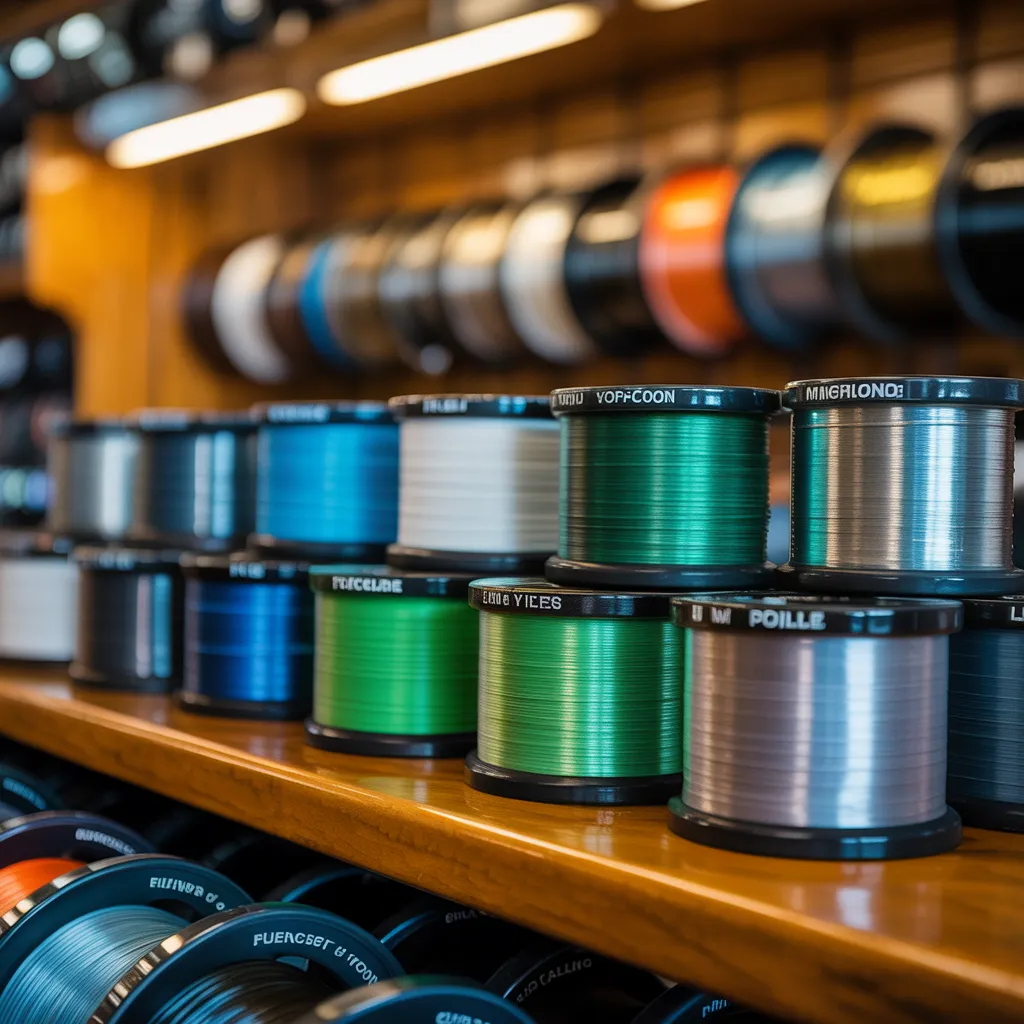
The Benefits of Employing Transparent Fishing Line
When anglers go with transparent fishing line, they commonly enjoy advantages from its ability to remain undetected by fish. This characteristic increases the probability of achieving a successful catch, as fish are unlikely to be disturbed by visible lines. Transparent lines merge with various water environments, whether clear or murky, strengthening the angler's stealth. Furthermore, choosing transparent fishing line can bring about improved presentation of bait, allowing it to look more natural to fish.
In addition, these cables are normally created from durable materials that resist abrasion, confirming they can tolerate turbulent underwater conditions. Their low visibility also contributes to enhanced targeting accuracy, as anglers can focus on technique without being troubled by the line's visibility. Ultimately, the merits of translucent fishing line designate it as a prized preference for those desiring a more effective and subtle fishing experience.
How to Choose the Correct Clear Fishing Line?
How can an angler ensure they choose the perfect transparent fishing line? First, they should consider the line's composition—monofilament, fluorocarbon, or braid—each offering unique benefits. Monofilament provides flexibility and ease of use, while fluorocarbon features low visibility and durability. Braid, while not clear, delivers superior strength and responsiveness.
An angler must next evaluate the line's test strength, which should match with the fish type being targeted. A higher breaking strength is crucial for larger fish, while lighter lines are suitable for smaller species. Additionally, the fishing environment matters significantly; clear waters may read the facts call for thinner lines for stealth, while challenging conditions may call for more robust, more durable alternatives.
Ultimately, a fisherman should review the line's width, knot strength, and general pliability. By weighing these considerations, anglers can confidently pick the see-through fishing line most ideal for their specific fishing conditions and techniques.
Recommendations for Correctly Loading and Caring for Your Line
Proper spooling and upkeep of transparent fishing line is crucial for getting the best performance and extending longevity. Anglers need to first ensuring their reel is clean and free from debris before spooling. Winding the line onto the reel in the correct direction, matching the reel’s rotation, is key to avoid twists. Keeping tension while spooling prevents loose coils that may cause tangles during use.
Regularly inspecting for abrasions or frays is essential for line durability. After each outing, washing the line with clean water can help eliminate debris and residue, maintaining its condition. Additionally, storing the line in a cool, dry place away from sun exposure will prevent deterioration. Replacing the line periodically, especially after heavy use, ensures peak performance and lowers the chance of failure. By following these tips, anglers can improve their fishing experiences and extend the life of their transparent fishing line.
Monofilament compared to Fluorocarbon Fishing Lines
When evaluating monofilament and fluorocarbon fishing lines, two key considerations emerge: strength and durability, alongside visibility and camouflage effects. Monofilament delivers more resilience and stretch, while fluorocarbon offers excellent underwater invisibility and abrasion resistance. Grasping these differences helps anglers choose the right line for their angling situations.
Strength And Durability Analysis
Analyzing the strength and sturdiness of monofilament and fluorocarbon fishing lines reveals distinct advantages for each type. Monofilament lines are valued for their compliance, which delivers impressive shock absorption during catches. This aspect enhances their performance in numerous fishing conditions but can render them more vulnerable to abrasion. In contrast, fluorocarbon lines are generally more unyielding and resistant to wear, making them suitable for environments with sharp rocks or debris. They have superior knot strength and lower stretch, allowing for quicker hook sets. While monofilament tends to be more economical, fluorocarbon's robustness and underwater invisibility often justify the higher price. Ultimately, the decision between the two depends on specific fishing scenarios and personal preferences.
Visibility and Camouflage Effects
The concealment and visibility effects of monofilament and fluorocarbon fishing line significantly affect fishing success. Monofilament, usually colored and more visible underwater, can deter cautious fish. Its buoyancy typically makes it simpler for anglers to detect bites but may reduce stealth. In contrast, fluorocarbon lines are almost invisible in water due to their light refraction properties matching closely that of water. This trait enhances camouflage, rendering fluorocarbon the preferred option in clear waters or when pursuing skittish fish. However, the trade-off lies in its rigidity, which can impact lure presentation. Ultimately, anglers must take into account these visibility considerations to choose the right line for particular fishing situations, enhancing their chances of a successful catch.
Achieving Peak Results Using Transparent Fishing Line
Employing transparent angling line can substantially boost the fisherman's success on the water. This type of line provides a distinct edge by minimizing the detectability of the line to fish, permitting for more lifelike offerings of baits and lures. Anglers can leverage this trait to fish for skittish species that are prone to avoid brightly colored lines.
Furthermore, see-through fishing line functions effectively in various water conditions, blending seamlessly with both clear and murky environments. By employing stealthy techniques, anglers can increase their chances of attracting fish without spooking them.
Furthermore, the line's fortitude and persistence advance a successful fishing experience, empowering anglers to resist the hurdles of heavy cover and resistant species. Overall, employing transparent fishing line facilitates a more stealthy approach, ultimately sparking higher catch rates and greater satisfaction during fishing outings.
Frequent Problems When Using Transparent Fishing Line
Many anglers miss essential details during the use of clear fishing line, leading to reduced performance on the water. One common mistake is choosing the incorrect line strength for specific fishing conditions, causing line snaps or insufficient sensitivity. Furthermore, not modifying the drag settings can result in lost catches, since anglers might not correctly factor in the line's low visibility.
Another common error is neglecting to check for line twists and knots, which can affect both performance and presentation. Anglers often overlook the significance of proper knot tying; weak knots can easily unravel under pressure.
Additionally, using overly extended leaders can hinder casting accuracy and alter the lure's performance. Ultimately, many anglers ignore habitat conditions, including water clarity and solar intensity, which can greatly determine the line's performance. Through circumventing these issues, anglers can enhance their fishing pursuits and raise their success metrics.
Authentic Success Stories From Fishermen Using Clear Line
Success stories abound among anglers who have successfully harnessed the benefits of clear fishing line. One such angler, John, reported notably increased catch rates after transitioning to a premium transparent line. He observed that the line's invisibility allowed him to fish in highly fished waters where visibility was essential.
In the same way, Sarah, a competitive angler, explained her background of applying transparent line during a tournament. She attributed her victory to the stealthy nature of the line, which assisted her land multiple trophy fish that others battled to catch.
In another copyrightple, Mike, an avid fly fisherman, discovered that using transparent line enhanced his presentations, leading to more natural movements of his flies. Each of these anglers proved that transparent fishing line can enhance fishing success by minimizing visibility and increasing stealth, ultimately contributing to more rewarding fishing experiences.
Frequently Asked Questions
Can Clear Fishing Line Be Utilized for Saltwater Fishing?
Transparent fishing line can indeed be used for saltwater fishing. Its low visibility aids in preventing spotting by fish, making it a suitable choice. However, anglers should verify it has adequate durability and durability for saltwater conditions.
How Much Time Can You Anticipate Transparent Fishing Line to Function?
Transparent monofilament line typically remains serviceable between one to three years, relying on conditions including sun exposure, water conditions, and how often you use it. Regular monitoring and proper storage conditions can increase its longevity substantially.
Is transparent fishing line appropriate for all type of fish?
Clear fishing line is generally appropriate for assorted fish species due to its subtle visibility. However, unique conditions and types of fish may necessitate modified line properties, making it necessary to choose appropriately for targeted species.
Which Tie Is the Superior Option for Transparent Fishing Line?
The best knot for transparent fishing line is the Palomar knot, recognized for its durability and dependability. It provides a firm attachment, limiting the risk of line breaking while sustaining the line's hidden aesthetic during fishing.
What Are the Particular Storage Needs for Transparent Fishing Line?
Transparent angling line requires cool, dry storage removed from direct sunlight to stop decay. Keeping it in a protective case assists in maintain its durability and capability, providing peak performance during fishing activities and increasing its life span.
Comments on “Shop high-quality Fishing Line for Sale for every angler”